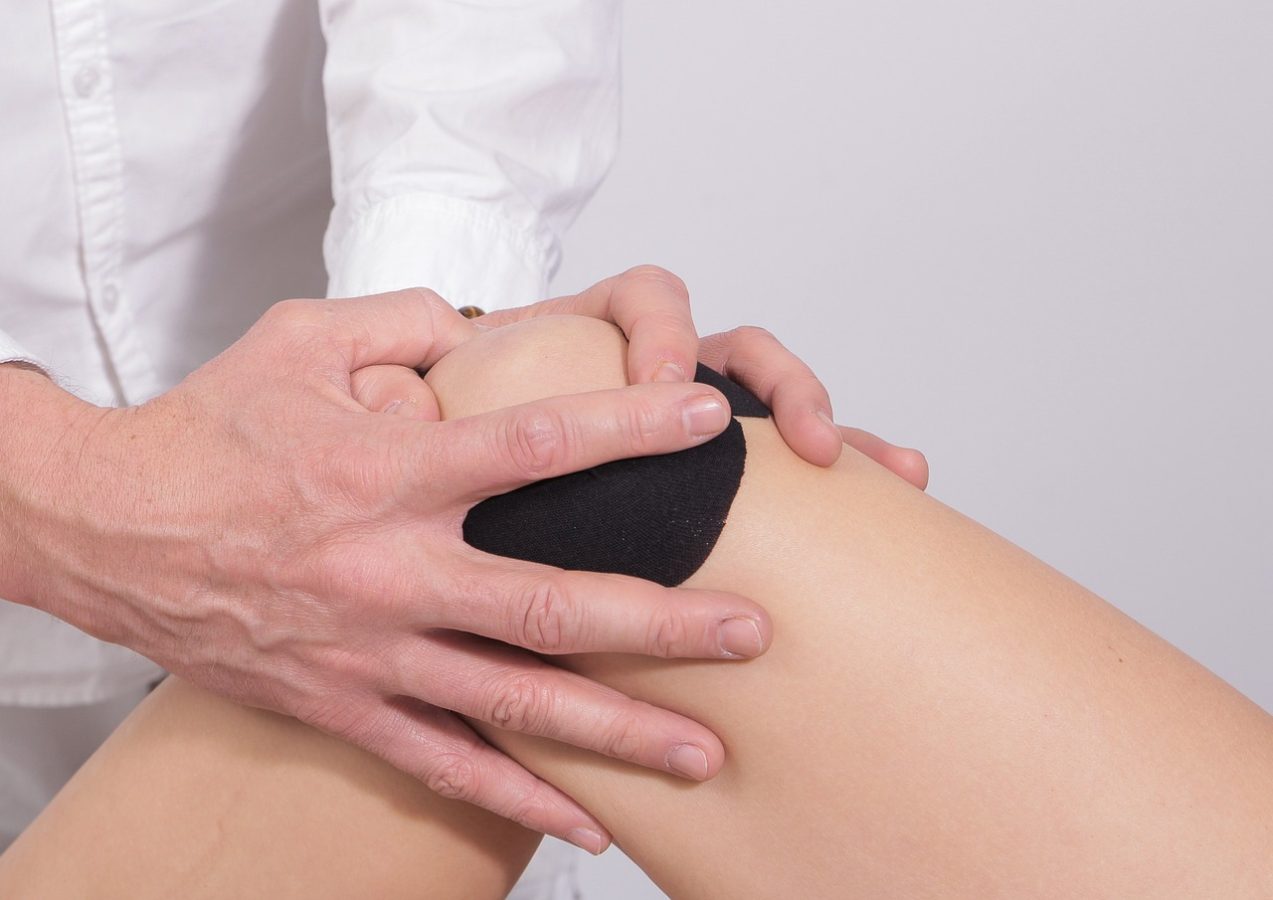
Knee Joint Pain at 40: Causes, Symptoms, and Lasting Relief

knee joint pain at 40

Quick Answer Knee joint pain at 40 most often stems from early osteoarthritis, weak supporting muscles, past injuries, excess weight, or training spikes. A simple plan—targeted strength work, low-impact cardio, smart load management, and timely medical checks—prevents long-term damage and restores function. Quick Action Plan Sources: Harvard Health, Mayo Clinic, NIH/NIAMS For many people, the … Read more
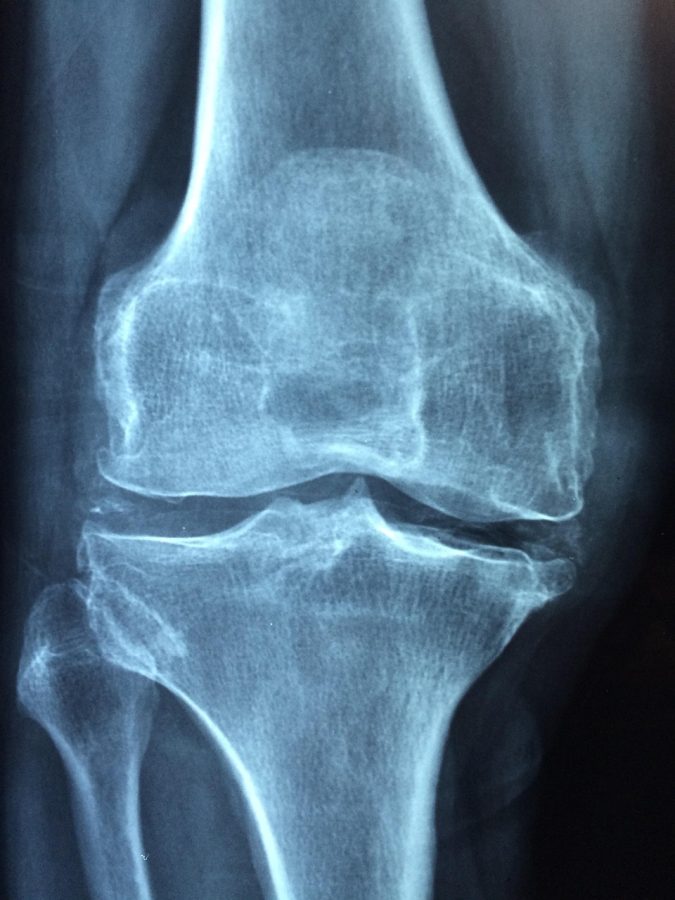
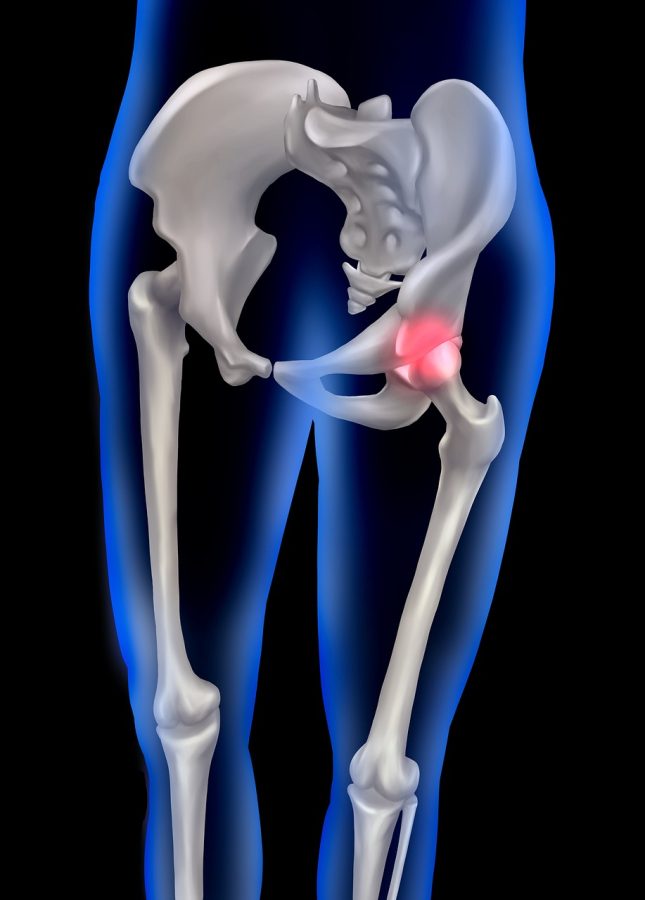
Arthritis in Your 40s: Early Signs, Causes, and Treatment

knee 1406964 1280

Arthritis in your 40s can begin quietly, often showing up as morning stiffness, swelling, or aching joints that linger. The earlier you notice the pattern and respond with realistic changes and proper medical care, the easier it is to slow progression and stay active. Quick Action Plan Sources: Harvard Health, Mayo Clinic, NIH/NIAMS Arthritis in … Read more

Knee Problems at 40: Causes, Prevention, and Relief

pexels photo 7298631

Knee problems at 40 most often come from early osteoarthritis, patellofemoral overload, meniscus wear, prior injuries, and excess weight. The fastest relief path is steady low-impact cardio, simple strength work, and smart load management. Quick Action Plan Sources: Harvard Health, Mayo Clinic, NIH/NIAMS Hitting 40 changes recovery. Small old injuries add up, sitting hours grow, … Read more

Joint Pain After 40: Causes, Prevention, and Relief

Joint pain after 40

Joint pain after 40 usually comes from age-related cartilage wear, early osteoarthritis, prior injuries, excess weight, and low activity; the earlier you act, the better your long-term joint health. Quick Action Plan Sources: Harvard Health, Mayo Clinic, NIH/NIAMS Why does joint pain start after 40? Because cartilage thins, past micro-injuries accumulate, and recovery slows, making … Read more

Ways to Improve Memory in Older Adults

Ways to Improve Memory in Older Adults

Ways to improve memory in older adults are practical, learnable, and surprisingly enjoyable. Age alone does not decide how sharp you feel; daily choices do. With the right mix of movement, sleep, brain-smart food, stress control, and fresh learning, memory can strengthen well into your seventies and eighties. Quick Action Plan Sources: National Institute on … Read more

How to Improve Memory After 50

How to Improve Memory After 50

How to improve memory after 50 is the question many people ask when names take longer to surface and focus feels thinner. The answer is not magic pills but a repeatable routine—specific learning, movement, nutrition, sleep, and stress control—that steadily rebuilds recall and mental clarity. Turning 50 does not mean your memory must decline. Research … Read more

Stress and Memory Loss After 40: What Science Says

Stress and Memory Loss After 40: What Science Says

Stress and memory loss after 40 often travel together: persistent stress elevates cortisol, disrupts the hippocampus, and makes recall slower and attention less reliable. The encouraging news is that small daily changes can calm your nervous system and bring clarity back within weeks. Quick Action Plan Sources: American Psychological Association, Harvard Health, PubMed. By midlife, … Read more

How Sleep Quality Affects Memory After 40

How Sleep Quality Affects Memory After 40

How sleep quality affects memory after 40 is a question many people ask when they start noticing forgetfulness or mental fog. Scientists agree that poor or fragmented sleep weakens recall, slows learning, and makes attention less reliable, while deep, consistent rest restores focus and protects long-term brain health. Sleep quality after 40 is one of … Read more