
Low libido after 40 is not driven by age. It fades when stress rises, sleep collapses, hormones shift, and the body enters survival mode. Restoring physical and emotional balance naturally brings desire back.
If you want to understand how to increase libido after 40, the real work is not in chasing tricks or supplements, but in rebuilding balance: sleep, stress, strength, recovery, and emotional safety.
Most people first notice a shift in their libido sometime in their late thirties or early forties. It starts quietly. Less interest. Less energy for intimacy. Thoughts that once came naturally feel distant. Many assume this is aging. But libido doesn’t decrease because your age changes — it decreases because your internal state changes.
Libido is not a personality trait or emotional mood.
It is an output of your physical and emotional stability.
It depends on:
- how rested your nervous system is
- whether hormones have room to regulate
- whether stress is constant or manageable
- how deeply you sleep
- how safe you feel physically and emotionally
- whether you have energy left after daily demands
This is why people search for how to increase libido expecting a simple answer — a supplement or trick. But after 40, libido becomes more honest. It mirrors your health, your stress load, your mental space, and your emotional reality.
When I was 42, I learned this in the most direct way. After moving to a new country, adapting to a new language, adjusting to a demanding job, and managing daily stress, my desire simply disappeared. It wasn’t gradual. It vanished. Not because of disinterest, not because of changing relationships, but because my body was overwhelmed.
Libido didn’t leave me.
It shut down to protect me.
And that’s the key many people overlook:
low libido after 40 is usually a survival response, not a sexual problem.
Why Stress Silences Libido — The Body’s Protective Mechanism
Stress is the single most underestimated factor in midlife sexual health. It doesn’t need to be dramatic to have a powerful effect. Even mild but constant stress slowly changes the body’s chemistry in ways that make desire nearly impossible.
A scientific review showed that chronic psychological stress activates the HPA axis and suppresses the HPG axis — reducing testosterone and sexual function (Stresses, 2023).
When cortisol stays high, the brain reduces reproductive hormone production. Desire is not “lost.” It’s turned down.
Another major review explains something crucial: the sympathetic nervous system (stress mode) and parasympathetic system (intimacy mode) are incompatible. The sympathetic system inhibits sexual arousal, while the parasympathetic system enables it (BU Sexual Medicine).
This alone explains why so many people over 40 feel “numb” or “disconnected” sexually during stressful periods.
When I moved abroad, everything felt unfamiliar. Every day demanded more attention, more adaptation, more mental energy. Even small tasks were exhausting. By evening, I didn’t feel uninterested — I felt depleted. My body had nothing left to offer.
Understanding that changed everything for me.
Low libido wasn’t a flaw or failure.
It was a sign that my nervous system was overwhelmed.
Hormones After 40: A System That Needs Balance, Not Force
Testosterone still plays a major role in libido for both men and women. But after 40, hormones respond much more strongly to lifestyle and recovery than to intensity or effort.
A systematic review found that resistance and mixed training increase testosterone and anabolic hormones in adults 40+ (Sports Medicine, 2022).
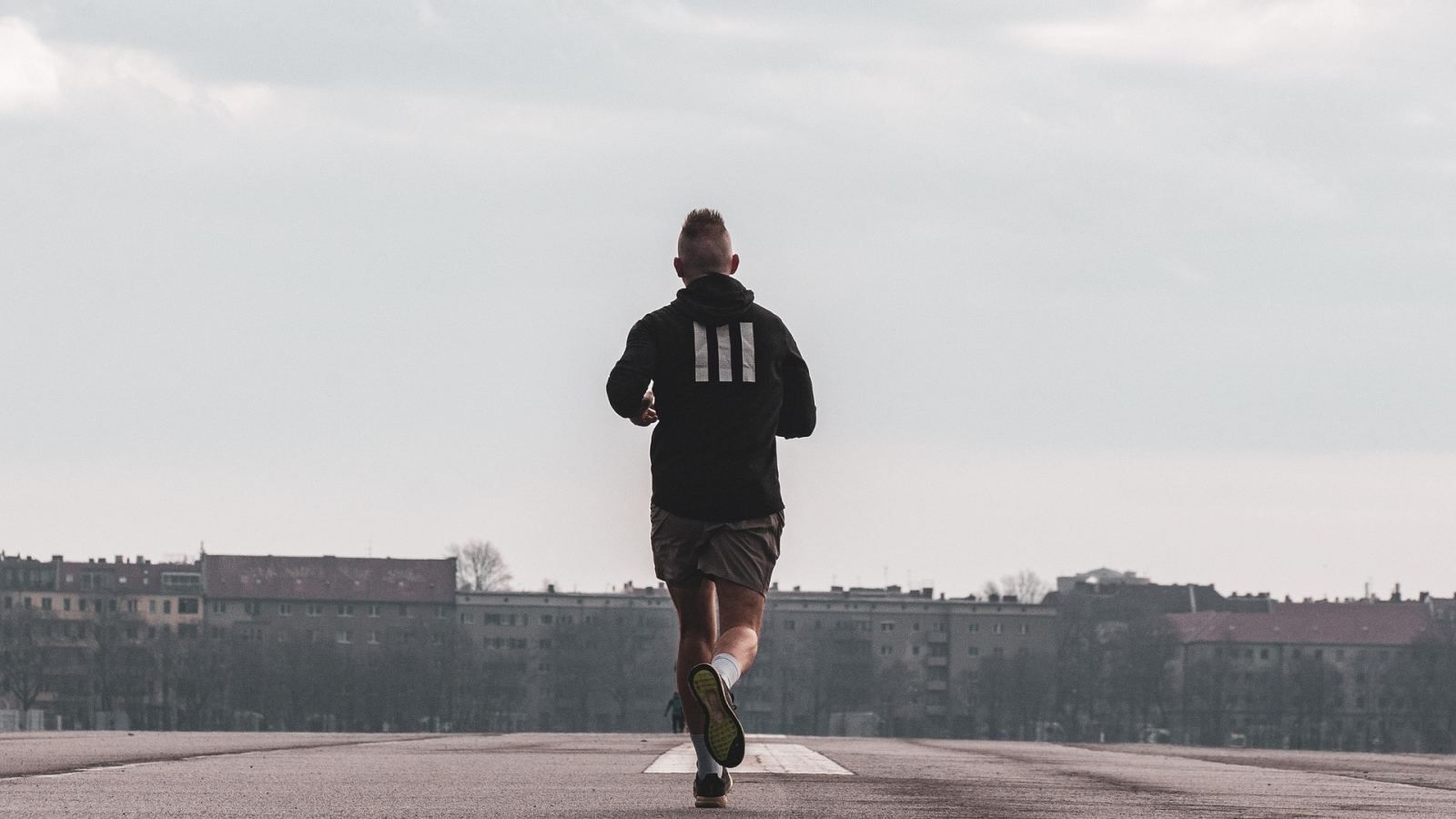
Another review found that structured physical activity significantly improved erectile-function scores (Sexual Medicine Reviews, 2018).
This matched my personal experience precisely.
When life became more stable, I decided to rebuild my strength. I wasn’t trying to “fix” libido — I was trying to fix my foundation. My routine was simple:
- two strength-training sessions per week
- light cardio during the week
- better nutrition with enough protein
- consistent sleep
And I quickly realized why two sessions worked so well:
three or four made me feel tired and irritable, but two allowed me to grow stronger without exhaustion.
My recovery improved. My mood improved.
And slowly, desire returned.
Strength training didn’t trigger libido.
It restored the conditions where libido could come back.
You can’t force desire.
You rebuild the life that desire depends on.
Sleep, Emotional Calm, and the Foundation of Intimacy
Sleep shapes libido more directly than most people realize.
A medical review showed that poor sleep, insomnia, and sleep disorders consistently reduce libido (Sleep Medicine Reviews, 2021).
The Sleep Foundation also summarizes multiple studies linking sleep deprivation with reduced sexual desire (Sleep Foundation).
I saw this long before reading any research.
On nights when I slept badly, I had no interest in intimacy.
On nights when sleep was deep, desire returned naturally.
After 40, emotional stability becomes extremely important for sexual desire. Small conflicts or pressure can shut down intimacy entirely.
The Gut–Brain Connection: Why Digestion Shapes Desire
The gut influences mood, energy, and hormonal balance more than people realize. It produces the majority of serotonin and communicates with the brain through the vagus nerve — the same system involved in relaxation and intimacy.
During the time my libido was at its lowest, my eating habits were chaotic: rushed meals, quick snacks, irregular timing. My digestive system reflected my lifestyle — tense and unstable. And my libido reflected that same instability.
When I returned to regular meals and real food — more protein, whole foods, healthy fats — everything began to change. Not dramatically, but steadily. My mood improved. Energy improved. Emotional stability improved. All of this makes a difference in libido.
You don’t need extreme diets.
Just consistency.
When the gut is calm, the body feels safer.
When the body feels safer, desire becomes possible again.
The Turning Point: When Desire Returned
There wasn’t a dramatic moment when my libido “came back.” It happened slowly, like recovering from fatigue.
The first sign was morning energy — not sexual, just a feeling of not being drained by life. Then came mental clarity. My thoughts felt less heavy. Then physical presence — less tension, easier breathing, smoother movement.
And somewhere within this gradual return of balance, my libido resurfaced.
Not as a sudden rush.
Not as a youthful impulse.
But as a steady, grounded sense of being present in my own body again.
Desire returned because balance returned.
Not the other way around.
For me, the most effective steps were surprisingly simple:
- enough sleep
- reduced stress
- the right amount of exercise
- regular meals
- emotional calm
- recovery instead of overtraining
- patience
Libido didn’t need to be forced.
It needed the right conditions to appear naturally.
Real progress began when I accepted that there are no shortcuts and focused on how to increase libido after 40 by rebuilding the basics: strength, sleep, nutrition, and emotional safety.
Real-Life Solutions That Actually Work After 40
Most advice about libido is either oversimplified or unrealistic. Supplements, techniques, hacks — they often ignore the real issue. Libido is not a switch you flip. It’s a state your body reaches when the foundations are in place.
Here is what actually made a difference in my own life — not theories, but lived experience:
- Strength without exhaustion
Two resistance sessions a week rebuilt energy without draining me. More than that weakened libido, not strengthened it. - Prioritizing sleep
This alone changed everything. Deep sleep resets the nervous system and restores hormones. - Protecting emotional peace
Intimacy after 40 depends heavily on emotional calm. Even small tensions can shut down desire. - Simplifying life where possible
Every unnecessary responsibility drained energy. Every simplification brought energy back. - Eating in a stable, consistent way
No diets. Just real food and regular meals. My digestion regulated, and so did my desire.
This is the real midlife formula: make your body feel safe again, and desire will come back.
The Emotional Reality of Libido After 40
One of the unexpected gifts of this journey was discovering that libido after 40 is deeper, not weaker.
In my twenties, desire felt constant, automatic, effortless. But after 40, desire felt more connected, more grounded, more meaningful — because it emerged from stability, not impulse.
Age doesn’t diminish sexuality. Stress and chaos do.
And when you remove the chaos, sexuality becomes more honest.
After 40, libido becomes tied to emotional safety, physical presence, and genuine connection. It’s not something that appears out of nowhere. It grows from a life that is finally aligned with your needs.

Final Thoughts
If someone told me at 42 that my libido would come back stronger, I wouldn’t have believed them. At the time, I felt disconnected from myself and overwhelmed by life. I thought desire was something that naturally fades with age.
But libido doesn’t disappear. It hides behind exhaustion, stress, poor sleep, and emotional overload.
Rebuilding libido doesn’t start with sexuality. It starts with rebuilding yourself.
When I strengthened my body without pushing it, protected my sleep, reduced stress, nourished myself better, and allowed calm into my life — desire gradually returned. Not in a dramatic way, but in a steady and natural one.
Your age is not the barrier. Your lifestyle is.
And when you restore balance, libido returns quietly — as a sign that your body is no longer fighting for survival.
This article is for informational purposes only and does not provide medical advice. If you experience persistent libido changes, hormonal symptoms, or sexual dysfunction, consult a licensed healthcare provider.
Related Articles
Frequently Asked Questions
- Does libido decline naturally after 40?
Not usually. It declines when stress and exhaustion overwhelm the system. - Can strength training improve libido?
Yes — when done with proper recovery. - Why is sleep so important for libido?
Because sleep regulates hormones and calms the nervous system. - Is low libido emotional or physical?
In midlife, it is often physical first — stress, sleep, recovery — and emotional second.
About the Author
Roman Kharchenko is the creator of Life After 40 — a project dedicated to practical, science-backed guidance for men and women navigating midlife health, energy, hormones, relationships, and emotional well-being.
Sources
- Stresses (2023) — Chronic Stress & HPG Axis
- BU Sexual Medicine — Autonomic Control of Sexual Function
- Sports Medicine (2022) — Hormonal Effects of Training in Older Adults
- Sexual Medicine Reviews (2018) — Physical Activity & Erectile Function
- Sleep Medicine Reviews (2021) — Sleep & Sexual Health
- Sleep Foundation — Sex & Sleep