
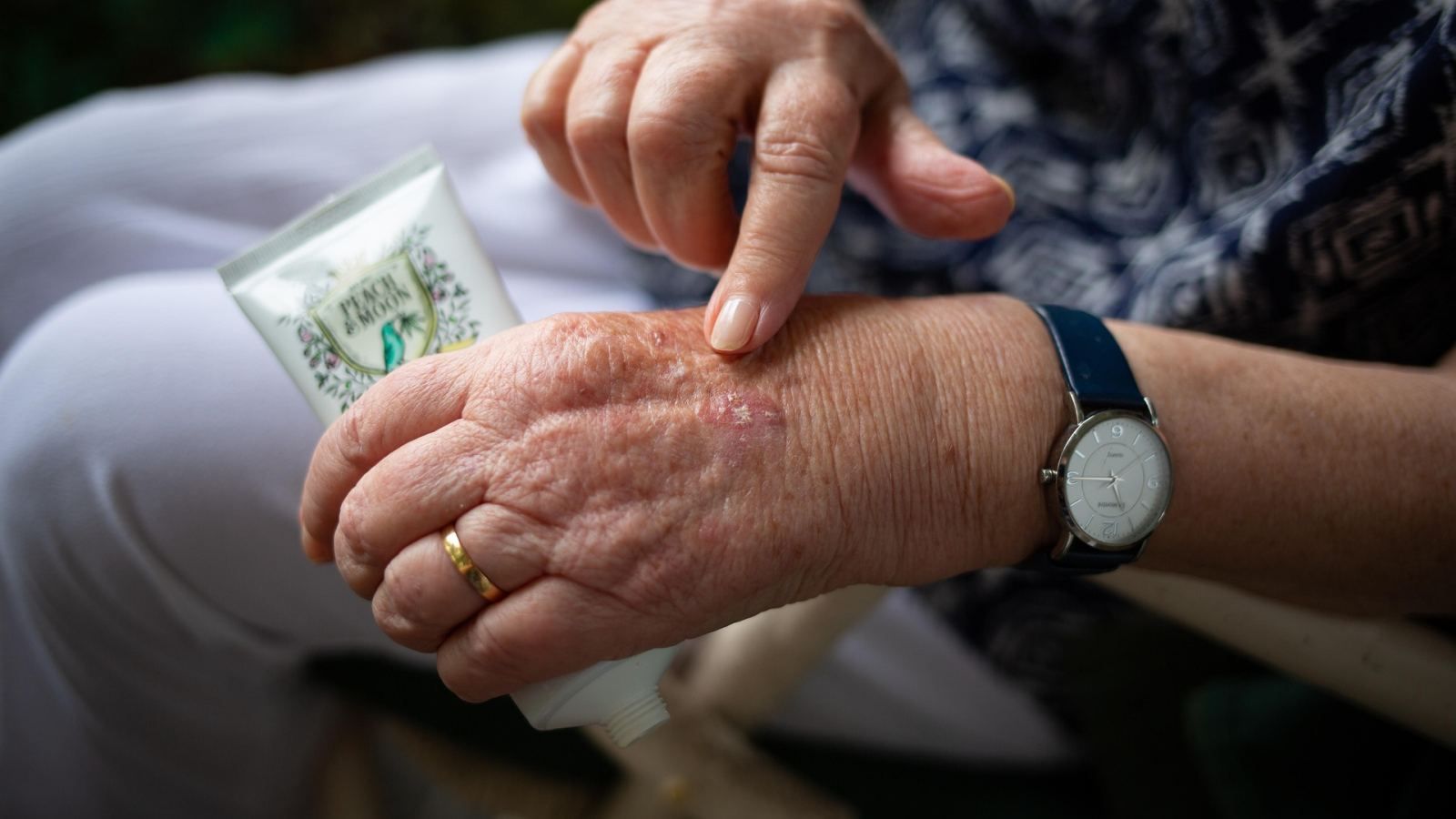
Joint cracking is usually normal and often comes from cavitation — a quick pressure change that lets gas form a tiny cavity inside the joint. But grinding, painful cracks, swelling, locking, or a new sound after injury deserve attention. I treat joint noise as a signal: if it’s painless and predictable, I ignore it; if it’s new, sharp, or paired with symptoms, I get it checked.
That sudden snap can make you freeze for a second. Why Do Joints Crack? For most people, the sound is harmless and simply part of how synovial joints move. Still, some noises can hint at tendon snapping, cartilage wear, or inflammation. In this guide I’ll explain what the sounds usually mean, why they get louder with age, and what I do in real life to keep my joints calm.
Is Joint Cracking Normal?
Most of the time, yes — joint cracking is normal, common, and not automatically a sign of damage. What matters is the full pattern: pain vs no pain, swelling vs none, single pop vs repeated grinding, and whether the sound is new.
When my joints “pop” in a predictable way — for example after sitting still, or during the first few reps of a warm-up — I treat it like a mechanical reset. It happens, it stops, and the joint feels the same or even looser afterward.
What “normal” usually looks like
A normal, low-risk cracking pattern usually has these features:
- It is painless (or only mildly uncomfortable without lingering soreness).
- The joint has full range of motion.
- There is no swelling, warmth, or redness.
- The sound is occasional, not constant in every movement.
- It does not follow an acute injury.
Cleveland Clinic notes that joint noises are often not something to worry about and can be a normal, common occurrence.
The practical rule I use
I don’t try to eliminate all sound. I try to protect function. If a joint is strong, stable, and comfortable, the sound alone doesn’t decide my next step.
What Actually Causes Joints to Crack and Pop
The “pop” can come from a few different mechanisms. The most common explanation for classic knuckle-like cracking in synovial joints is cavitation — a rapid pressure change that creates a gas cavity in the joint fluid.
A well-known MRI study in PLOS ONE directly linked joint cracking to cavity formation (not bubble collapse) during joint separation.
In plain language: when two joint surfaces resist separation, pressure drops fast, dissolved gas comes out of solution, and a cavity forms — that event is associated with the cracking sound.
As orthopaedic surgeon Joseph Thambiah (National University Hospital, Singapore) puts it: “The popping sounds that you make when you move the joints is due to a release of nitrogen bubbles which are dissolved in the fluid there.”
Tendons and ligaments snapping over structures
Not all clicks are “inside the joint.” Sometimes a tendon slides over a bony bump or tight structure and snaps back into place. This is common around the hip, shoulder, knee, ankle, and wrist. It can be painless — or it can become irritated if it repeats under load.
Rough surfaces: crepitus
A different sound is crepitus: a crunchy, grating, or sandpaper-like noise. That can happen when surfaces are no longer gliding smoothly (for example with cartilage changes), or when inflamed tissue creates friction. Crepitus is more “texture” than “pop.”
My reality check
If the sound is a clean, single pop and I can’t reproduce it right away, I think cavitation first. If it’s a repeatable click at the same angle every time, I suspect tendon tracking or a mechanical catch.
Why Joint Cracking Becomes Stronger With Age
Many people notice more joint sounds as they get older. That doesn’t automatically mean “damage,” but age can change how tissues glide, how fluid behaves, and how much slack exists in the system.
Changes that can make joints noisier
- Less “smoothness” in movement: With time, minor cartilage changes or tissue thickening can increase friction.
- Tendon stiffness and tracking: Tendons may glide differently when surrounding muscles are tight or weak in specific ranges.
- Joint fluid and pressure dynamics: After long sitting, I often hear more pops on the first few movements, then it quiets down.
When age plus noise can matter
Age is also the period when osteoarthritis becomes more common. A major point: osteoarthritis is primarily a whole-joint disease associated with factors like prior injury and body weight, not just “noise.” Nature Reviews Disease Primers highlights osteoarthritis as a heterogeneous whole-joint disease and emphasizes recognized risk factors such as obesity and joint injury.
Personal segment (context → action → result → lesson)
In my 40s I noticed my knees and shoulders became louder during the first minutes of training. Instead of “testing” the pop, I changed my warm-up: slower reps, more range-of-motion work, and I stopped forcing end-range stretches to chase a crack. Within a few weeks the noise didn’t fully disappear, but the sharpness of the sounds did — and, more importantly, I felt more stable. My lesson: with age, I manage the conditions around the joint (warm-up, strength, load), not the sound itself.
🔹 Intermediate Summary
Joint cracking is often normal and commonly linked to cavitation, while repeatable clicks can come from tendons and gritty noises from friction. With age, tissues glide differently, so sounds increase — but function and symptoms matter more than sound.

Cracking vs Grinding: Sounds That Matter
Not all joint sounds are equal. I separate them into “usually harmless” and “pay attention” categories.
The sound that’s usually harmless
Single pop or crack during movement, without pain, and without swelling.
Occasional clicks that do not change performance.
This pattern fits what many clinicians describe as common and typically benign.
Sounds that deserve more respect
Grinding / crunching (crepitus)
Crepitus can happen in people without symptoms, but it can also appear with osteoarthritis features, especially in the knee. A 2025 study in ACR Journals examined associations between knee crepitus and structural osteoarthritis features in young adults.
That does not mean “crepitus = arthritis,” but it supports the idea that in some contexts the sound can correlate with joint changes.
Catching, locking, or clunking
If I feel a mechanical “catch,” or my joint briefly locks, I treat that as more important than noise. A catch suggests the joint is not gliding freely — and that warrants a careful look.
Pop + pain
A pop that comes with sudden pain, giving-way, swelling, or bruising after activity can signal an acute injury (for example, ligament sprain, meniscus injury, tendon tear). Sound is not the diagnosis; symptoms and function are.
The rule I follow
If the sound comes with a physical event (pain, swelling, instability, loss of motion), I stop guessing and move to evaluation.
When Joint Cracking Is Not a Problem
Here’s the painless-cracking scenario where I don’t worry and don’t try to “fix” anything.
1. It’s painless and not getting worse
If I can live my life, train, walk stairs, and carry things without pain or swelling, I treat cracking as a harmless quirk.
2. It happens after stillness and settles fast
After sitting, many joints pop during the first few movements. When it settles quickly, it usually behaves like pressure and fluid dynamics rather than injury.
3. No swelling, warmth, redness, or reduced range
Inflammation changes the equation. If the joint looks normal and moves normally, the probability of a serious issue is lower.
4. It’s not tied to a new injury
If the sound started after a fall, twist, or heavy lift, I treat it differently — even if pain is mild — because structural injury can begin subtly.
Expert voice that matches this
Cleveland Clinic quotes orthopaedic surgeon Kim Stearns, MD: “It’s a normal, common occurrence.”
When Joint Cracking Should Be Checked by a Doctor
This is the list I take seriously — because it’s where “just noise” can stop being just noise.
Red flags I use
- Pain that persists after the crack (not just a brief sensation).
- Swelling, warmth, redness, or fever (inflammation or infection concerns).
- Locking, catching, or giving way (mechanical or stability problems).
- New loss of range of motion (you can’t fully bend/straighten).
- Cracking after trauma (twist, fall, collision).
- Night pain that wakes you, or pain at rest.
- Neurologic symptoms (numbness, tingling, weakness) along with a pop near the spine or shoulder.
What I would ask the doctor to evaluate
I’d want clarity on whether the issue is:
- tendon snapping vs joint surface issue,
- inflammation (bursitis, synovitis) vs mechanical lesion,
- arthritis changes vs acute injury.
Personal segment (context → action → result → lesson)
I once ignored a new shoulder click because it didn’t hurt much. Over a month it became a click plus a “pinch” at the same point every press. I stopped overhead work, did a simple self-check (range of motion and pain points), and booked a sports-ortho visit. The exam suggested irritation related to tendon tracking and load. With a few weeks of adjusted training, the painful click calmed down. My lesson: when the sound is new and paired with a consistent symptom, I don’t wait for it to “prove” itself.
🔹 Intermediate Summary
A clean pop without pain or swelling is usually not a problem. Grinding, catching, locking, new loss of motion, swelling, or a noise that starts after injury is different — those patterns deserve evaluation and load changes.
Can You Reduce Joint Cracking Naturally?
You can’t always eliminate cracking, but you can often reduce how often it happens — and, more importantly, improve how your joints feel.
1. Warm up for the joint you’re about to use
When I warm up with slow, controlled ranges first, the “first-rep crack” often fades. I treat warm-up as lubrication plus nervous-system prep.
Practical warm-up template I actually use
- 2–3 minutes of gentle full-range motion (no forcing).
- 2–3 light sets of the movement pattern (bodyweight or very light load).
- Then normal training.
2. Build strength around the joint (not just flexibility)
A joint that is supported by balanced strength often feels quieter. I focus on:
- hip and glute strength for knees,
- scapular control for shoulders,
- calf and foot strength for ankles.
3. Stop chasing the crack
For many people, repeatedly forcing end-range to “get the pop” can irritate tissue. I stopped doing that. If a pop happens during normal movement, fine. I don’t hunt it.
4. Reduce repetitive overload and improve technique
If a sound appears only with one exercise, I treat that as technique feedback. I change:
- load,
- range,
- tempo,
- grip/stance,
- frequency.
5. If pain is present, don’t self-diagnose with “joint oil” myths
Osteoarthritis and joint pain management is broader than supplements. Contemporary reviews emphasize non-surgical management pathways and the burden of knee osteoarthritis, including exercise and other recommended therapies.
What Helped Me Most
For me, the biggest change was shifting from “make the joint quiet” to “make the joint strong and predictable.”
The exact approach that worked best for me
- A longer warm-up, especially after sitting all day.
- Slow tempo on the first sets (I stop bouncing through the noisy range).
- Strength in stabilizers: glutes/hamstrings for knees, upper back for shoulders, and controlled core work for the spine.
- Load discipline: I avoid “ego reps” that force sloppy positions.
- A simple symptom rule: noise alone is fine; noise + pain means I modify.
Personal segment (context → action → result → lesson)
When my knees started cracking more often, I tried the wrong approach first — I stretched harder and chased the crack. It didn’t help. What helped was boring: I strengthened the muscles that control knee tracking (glutes, hamstrings, calves), reduced deep knee flexion under heavy load for a while, and kept a steady weekly routine instead of random intense sessions. Over time, my knees felt warmer, my squats felt smoother, and the “crunchy” sensation dropped. My lesson: consistency and control beat quick fixes — and when I keep my training boring and repeatable, my joints stay calm even if they still make occasional noise.

Final Thoughts
Why Do Joints Crack? In most cases, it’s normal physics and normal tissue movement — cavitation, tendon tracking, or minor friction — not a warning label. The key is to treat joint noise like context, not a diagnosis.
If the sound is painless, predictable, and not tied to swelling or loss of function, I personally don’t chase it. I focus on strength, warm-up, and clean movement. But if the sound is new, painful, paired with swelling, locking, giving-way, or follows an injury, I treat it as a reason to get assessed — not because sound is scary, but because the pattern matters.
If your joints are noisy but you want them to feel better, pick one joint and run a 2-week experiment: longer warm-up, slightly lighter loads, and cleaner tempo. If any red flags show up (pain, swelling, locking), schedule an evaluation and bring a clear symptom timeline.
This article is for general educational information only and is not medical advice. It does not replace diagnosis or treatment by a qualified clinician. If you have severe pain, swelling, fever, sudden weakness, or symptoms after an injury, seek medical care promptly.
Related Articles
- Joint Pain After 40
- Hip Joint Pain at 40
- Arthritis in Your 40s
- Why Do Legs Hurt After 40?
- Why Do Legs Hurt at Night? Causes and Relief
Frequently Asked Questions
- Does cracking your knuckles cause arthritis?
Large clinical observations have not shown a clear link between habitual knuckle cracking and hand osteoarthritis in at least one PubMed-indexed study. - Why can’t I crack the same joint again right away?
Cavitation-based explanations suggest it takes time for dissolved gas conditions to reset after a crack, so repeated immediate cracking is harder. Direct mechanisms are still studied. - Is crepitus always bad?
No. Crepitus can occur without pain, but in some settings it can be associated with structural osteoarthritis features, especially in the knee, so symptoms and function determine importance. - Should I stop exercising if my joints crack?
Not automatically. If there’s no pain or swelling and function is good, exercise is usually appropriate; if cracking is paired with pain, instability, swelling, or locking, modify and get evaluated.
Author
Roman Kharchenko