

Life after quitting alcohol did not become instantly joyful for me, but after a long adjustment period it became calmer, clearer, and more natural than the drinking years ever felt.
Life after quitting alcohol is something many people are curious about, especially those who are thinking about stopping drinking themselves. People often want to know what actually changes after a long period without alcohol. Does life become better, calmer, or simply different?
There are many medical articles explaining how the body reacts to quitting alcohol, how sleep improves and how the brain gradually adjusts to the absence of alcohol.
This article is not about that.
Instead, I want to share something much simpler: my personal experience. I haven’t consumed alcohol for three and a half years, and during that time I noticed many small but meaningful changes in how I feel, how I think, and how I see alcohol itself.
These observations are not medical advice or scientific conclusions. They are simply reflections from someone who once drank regularly and then stopped.
And one question that many people quietly wonder about is this: do alcohol cravings after quitting ever really disappear?
What Happens After Years Without Alcohol
When I first stopped drinking, I expected the hardest part to be resisting alcohol itself. I thought the biggest challenge would simply be saying no.
What I didn’t expect was how emotionally strange the first months would feel.
For many years my body had learned a simple pattern: alcohol meant relaxation. It could quickly change your emotional state and make a stressful day feel easier.
When alcohol suddenly disappeared, my brain didn’t immediately know how to replace that feeling.
The first months felt emotionally unusual. Life wasn’t terrible, but it seemed quieter and flatter than before. Some days everything felt slightly dull, as if my body had forgotten how to experience joy without alcohol.
Occasionally the mood even resembled mild depression.
I had already heard that the body needs time to recover after years of drinking, so I told myself that patience was necessary. For someone who has consumed alcohol regularly for many years, the brain’s reward system does not reset overnight.
During the first six months I sometimes experienced episodes that felt similar to withdrawal symptoms. Nothing extreme, but there were moments of restlessness, irritability, or sudden thoughts that alcohol would make things easier.
Doctors describe this reaction as alcohol withdrawal, which occurs when the body adjusts after regular alcohol consumption stops. Symptoms may include anxiety, sleep disturbances, sweating, or cravings while the brain recalibrates.
Sachdeva A., Choudhary M., Chandra M. (2015) Alcohol Withdrawal Syndrome: Benzodiazepines and Beyond
By about the end of the first year those symptoms disappeared.
Life became calmer, but emotionally neutral. I would not describe those days as deeply sad. It was more like living in a steady and quiet emotional state without strong highs.
At the same time, however, some positive changes began to appear.
My endurance improved noticeably. Both mentally and physically I felt less exhausted after long working days. In the past I often relied on alcohol to relax in the evening, but gradually my body learned to unwind naturally again.
The most interesting change happened closer to the end of the second year.
That was when the ability to genuinely enjoy life started to return.
This period is probably when many people give up. When someone stops drinking and months pass without feeling noticeably happier, it can seem as if sober life is simply boring.
But what I eventually realized is that the brain needs time to rebuild its natural reward system after years of alcohol use.
Sometimes I reminded myself of childhood. As children we could feel excitement, curiosity, and joy without any artificial stimulation. Our brains already know how to experience those emotions. They simply need time to rediscover that ability.
By the third year, sobriety felt completely natural. Waking up with a clear mind, feeling stable throughout the day, and not needing alcohol to relax became the new baseline of everyday life.
Does the Desire to Drink Ever Go Away?
One of the biggest fears people have when they stop drinking is that the desire for alcohol will always stay somewhere in the background.
In my experience, that wasn’t the case.
During the first year the thoughts appeared occasionally. Especially in the beginning, there were moments when I thought about having something mild — maybe a cocktail or a low-alcohol drink. The idea usually appeared when I felt tired or stressed.
My body still associated alcohol with relaxation.
But even during those moments I never relapsed. The thoughts were manageable because I had already made a firm decision to stop drinking completely.
Over time those thoughts became weaker and less frequent.
By the end of the first year something interesting happened: the desire almost completely disappeared. Days and even weeks could pass without alcohol crossing my mind.
After about a year I could even take a sip or two of beer out of curiosity just to taste it. Surprisingly, it didn’t trigger any urge to continue drinking.
In fact, the taste itself felt different.
Before quitting alcohol, beer had always tasted pleasant to me. But after a long break I suddenly noticed something else — a very strong taste of alcohol itself. The ethanol flavor felt sharp and unpleasant, almost repulsive.
But the taste was not the main reason I stopped wanting alcohol.
The real change was that the habit itself slowly disappeared from memory. Over time the brain stopped associating relaxation, celebrations, or social moments with drinking.
By the second year I had almost forgotten what my previous drinking lifestyle felt like.
And by the third year the desire to drink had disappeared completely.
At that point something important changed: I was no longer controlling myself around alcohol. The urge itself was simply gone.
Life without alcohol had become calmer and clearer. Once I could compare my current life with the years when I used to drink, the difference became obvious.
The sober version of life simply felt better.
Long-Term Benefits of Quitting Alcohol
Around the second year of sobriety my lifestyle started to change in ways I hadn’t expected.
When alcohol disappears from your routine, something interesting happens: you suddenly have more free time and more mental clarity to think about how you actually want to live.
For years alcohol quietly occupied part of my life — evenings, weekends, stress relief, social moments. Once it was gone, that space became empty.
At first that emptiness felt strange.
But eventually it became an opportunity.
One of the first changes I made was adding exercise to my routine.
I started doing two strength-training sessions per week, and over time those workouts became an important part of my life. They gave structure to my week and helped me release stress in a healthier way.
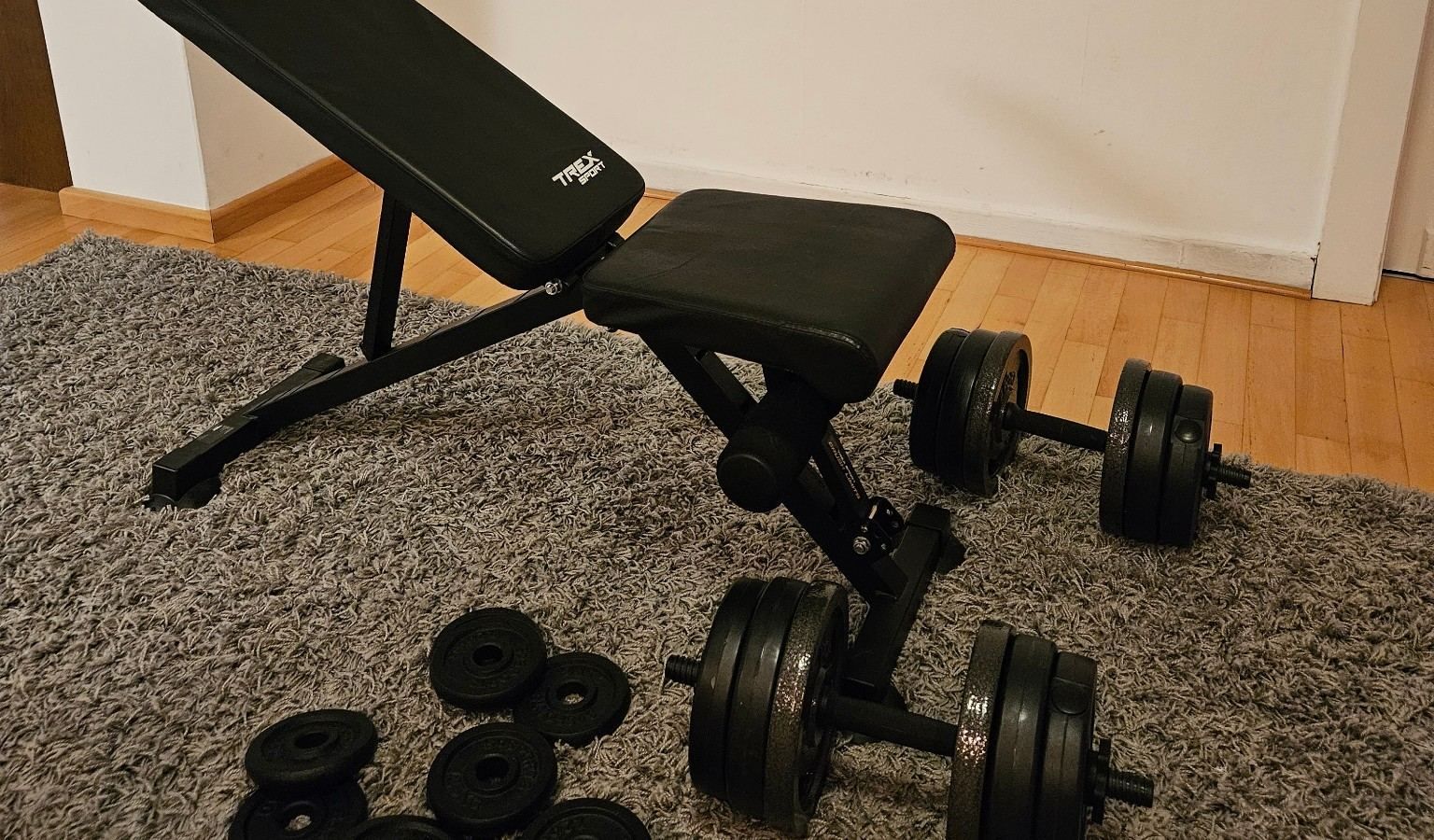
This was the beginning of my strength training after I quit alcohol. Nothing fancy — just adjustable dumbbells and a simple bench at home. I didn’t join a gym or buy expensive equipment. I simply started training in a small corner of the house. Over time I realized that after 40 you don’t need perfect conditions to get stronger. A bench, a pair of dumbbells, and consistency are more than enough to begin.
Strength training improved my endurance and physical strength. But it also changed something mentally. Instead of using alcohol to relax after work, I learned to reset my mind through physical activity.
As we get older, our bodies naturally lose some resilience. Because of that, the habits we choose become even more important.
In the long run, the benefits of quitting alcohol long term become very noticeable. Energy levels become more stable, recovery improves, and the mind feels clearer.
Regular physical activity plays a big role in that process as well.
World Health Organization — Physical Activity
Over time I noticed my energy becoming more consistent. Everyday tasks felt easier, and the mental fog that sometimes followed alcohol simply disappeared.
But the biggest change was the feeling of control over my own life.
Without alcohol clouding the mind, it became easier to think calmly, set priorities, and stay disciplined with long-term goals.
Looking back now, I realize something simple.
Quitting alcohol didn’t make life perfect.
But it made life clearer.
Mornings became lighter.
Energy became steadier.
And the constant background noise that alcohol once created slowly disappeared.
The strange thing about alcohol is that it promises relaxation, but over time it slowly takes away the very things we are trying to protect — our energy, our clarity, and our control over life.
Sobriety simply gives those things back.
And once you experience that kind of clarity, going back to alcohol just stops making sense.
Related Articles
- How to Quit Drinking After 40
- How to Quit Drinking Alcohol Forever
- How to Stop Drinking Beer Every Day
- How to Quit Smoking After 40
Medical Disclaimer
This article is based on personal experience and general educational sources. It is not medical advice. If you drink heavily, have a history of severe withdrawal, or develop symptoms such as confusion, seizures, hallucinations, severe shaking, or uncontrolled vomiting after stopping alcohol, seek urgent medical care. Alcohol withdrawal can be dangerous and should be assessed by a qualified clinician.
FAQ
What does life after quitting alcohol usually feel like after a few years?
In my experience, it feels less dramatic and more stable. The biggest difference is not constant excitement. It is the absence of fog, regret, and emotional noise. If you are at an earlier stage, this article may also help: How to Quit Drinking After 40.
Do alcohol cravings after quitting always stay in the background?
Not necessarily. For me, cravings became weaker over time and eventually disappeared. The process was gradual, not instant. What helped most was letting the old routine fade and replacing it with healthier structure and movement.
What can replace alcohol in daily life after 40?
In my experience, it’s better not to look for a direct replacement for alcohol. Over time I realized that alcohol didn’t actually need replacing at all. The body doesn’t require it, and life becomes much simpler when you just remove it instead of trying to substitute it with something else. Once alcohol is no longer part of your routine, the need to “replace” it usually disappears on its own.
Author Bio
I’m Roman Kharchenko. I write about health, habits, clarity, and real-life changes after 40. I’m interested in practical experience more than motivational noise, and I try to describe things the way they actually feel in daily life, especially when a change looks simple from the outside but takes time inside.